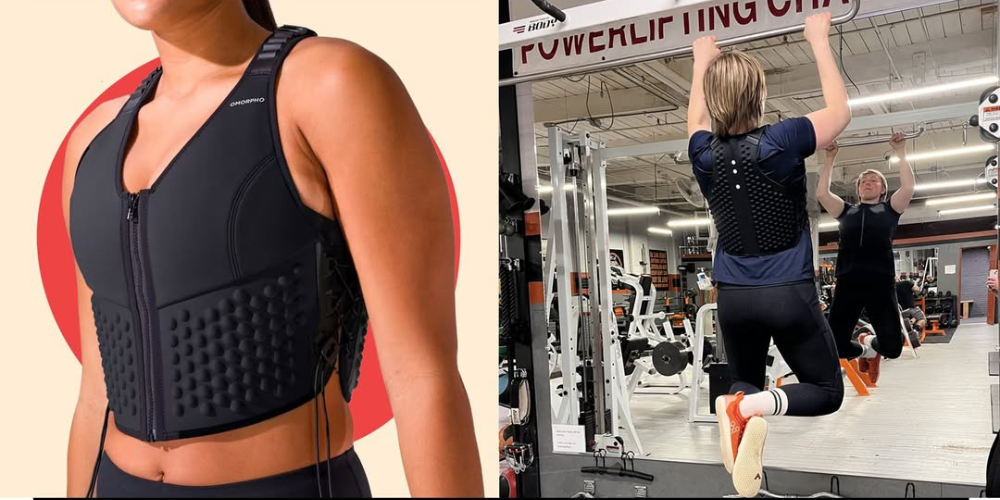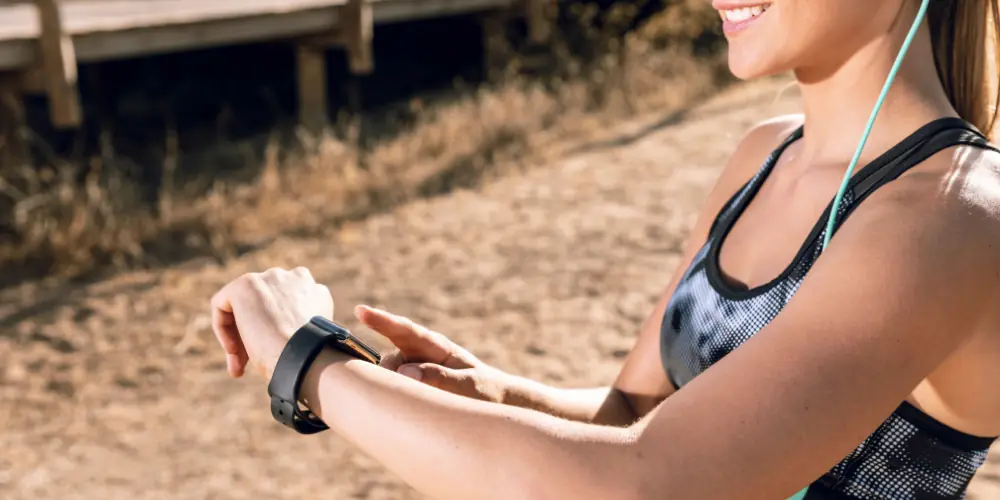
Health data has never been more accessible—or more exclusive. Advanced fitness technology now offers detailed insights into heart health, sleep quality, physical activity, and stress patterns. Yet this level of awareness remains out of reach for many people. As wearable devices and digital health platforms become common among higher-income groups, a quieter issue continues to grow: health inequality shaped by technology access.
This gap does not begin with smartwatches or fitness rings. It starts much earlier, inside the healthcare system itself.
Digital Access Is Now a Requirement
Modern healthcare depends heavily on digital tools. Appointment scheduling, test results, prescription refills, and follow-up care often require online portals or mobile apps. According to Amy Gonzales, Associate Professor in the Department of Communication at UC Santa Barbara, healthcare access is now closely tied to technology access.
Since the COVID-19 pandemic, many providers rely on:
1. Online patient portals
2. QR-code-based check-ins
3. Text message reminders
4. Telehealth-only consultations
These systems assume consistent internet access, digital literacy, and compatible devices. For many seniors, low-income households, people with disabilities, or families sharing a single smartphone, those assumptions do not hold.
Gonzales notes that the same groups facing digital barriers are often the ones with higher healthcare needs, which compounds the problem.
Wearables Are Setting a New Health Baseline
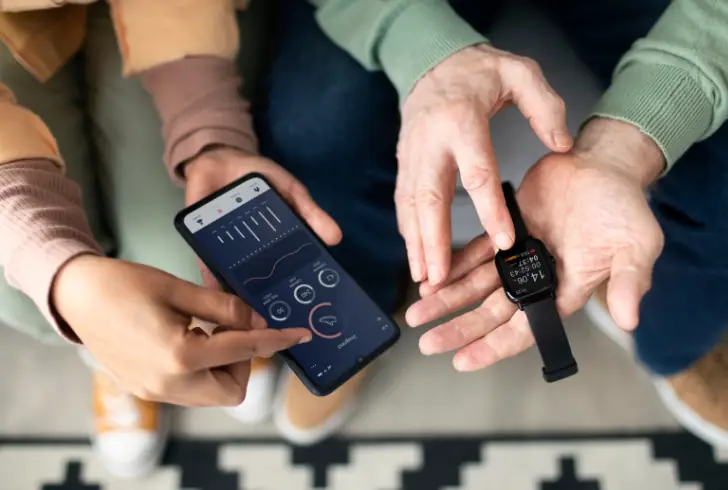
Fitness trackers and smart wearables are not classified as medical necessities, yet they now shape how many people manage their health. These devices track heart rate, blood oxygen levels, sleep stages, physical activity, and stress indicators. Studies show they can help detect irregular heart rhythms, encourage movement, and flag early signs of illness.
As adoption grows, wearables increasingly influence healthcare decisions. Some employers integrate them into wellness programs. Certain insurance models consider shared activity data. Healthcare providers may review wearable data to gain context beyond brief office visits.
This creates a clear divide. People with wearables gain continuous feedback and early alerts. People without them rely on symptoms, memory, and infrequent clinical measurements. Gonzales describes these devices as “bonus health tools,” noting that unequal access widens an already existing digital health gap.
Growing Health Data Inequality
The most concerning outcome is the rise of unequal health knowledge. One person may receive alerts about irregular heart rhythms or declining sleep quality and seek care early. Another person with similar risk factors may not notice warning signs until a serious medical event occurs.
Gonzales explains that without access to tools that track blood pressure, activity, or cardiovascular patterns, people lose valuable healthcare insight. Early detection should not depend on disposable income.
This imbalance extends beyond individuals. As more health research relies on wearable data, the findings may reflect mostly affluent, tech-savvy users. Medical insights built from incomplete populations risk overlooking how conditions appear in underrepresented groups.
Privacy Challenges and Risks
Access is only part of the story. Trust also plays a role. Gonzales points out that wearables are often viewed as automatically beneficial, but data ownership and privacy deserve scrutiny.
Communities with a history of medical exploitation have valid reasons to hesitate. Events such as the Tuskegee syphilis study, forced sterilizations, and ongoing racial disparities in healthcare outcomes have left lasting damage. For these groups, constant biometric data collection by corporations can feel unsafe.
Gonzales notes that some people intentionally avoid third-party data collection, not because of lack of access, but because of informed caution. Privacy protections remain inconsistent, and long-term uses of biometric data are still unclear. Choosing not to participate in health surveillance can be a rational decision, especially for populations that have been historically monitored or mistreated.
Why Cost Alone Cannot Explain the Gap
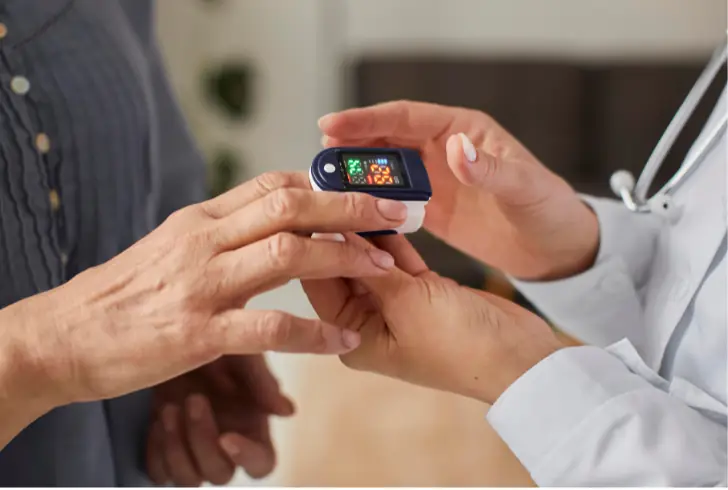
Lower-cost fitness devices exist, but affordability remains relative. When households must prioritize essentials, optional health technology falls off the list. This makes it clear that individual purchasing choices cannot fix the issue.
The challenge sits within broader questions:
What health technology should be considered essential?
Which tools belong in medical care rather than consumer wellness?
How should digital equity factor into public health planning?
Devices like glucose monitors or blood pressure cuffs already straddle the line between consumer product and medical necessity. As health monitoring becomes more digital, clear standards matter.
The Future Needs Structural Change
Healthcare is increasingly digital, offering early detection and personalized insights. Yet without structural changes, these benefits remain unevenly distributed. Gonzales notes that those who face technology barriers are often the same people who need healthcare most.
The rise of fitness technology highlights a key issue: health insight is becoming a privilege rather than a shared resource. Access, trust, and inclusion are essential for digital healthcare tools to provide real value.
Closing this gap requires rethinking how health technology integrates into healthcare systems, research, and policy. Otherwise, early detection, chronic condition management, and preventive care will continue to favor those with digital access. Health knowledge should support everyone, not depend on device ownership or data-sharing agreements.
As healthcare and consumer tech merge, equity must keep pace.