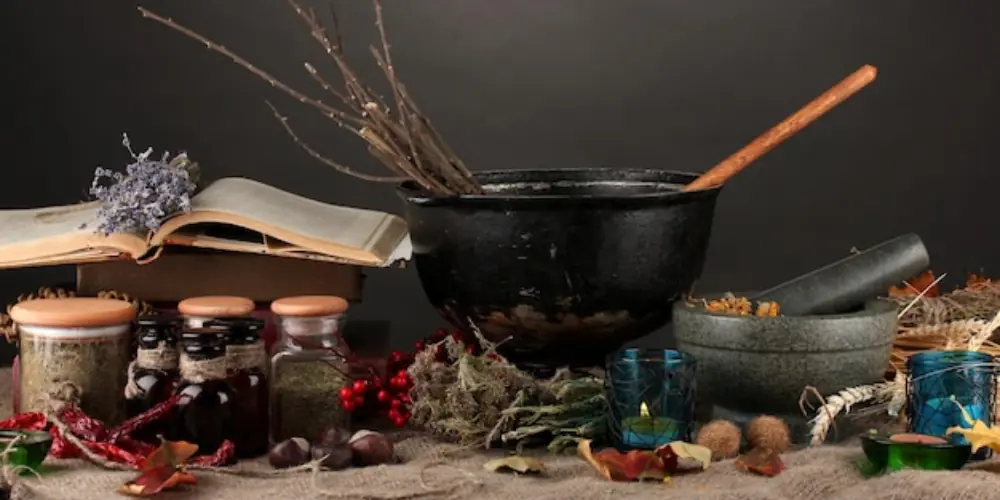
Medieval medicine may not have relied on modern labs, but new research proves it held more wisdom than once believed. Far from being ruled by superstition, early practitioners documented natural remedies and health strategies that echo today’s most talked-about wellness tips.
Thanks to an international research collaboration involving Binghamton University, previously overlooked manuscripts are offering a surprising glimpse into medical practices from the early Middle Ages.
These texts, many handwritten in the margins of unrelated books, reveal that medieval people actively observed nature and sought practical solutions to everyday health problems.
The CEMLM Project Brings Forgotten Texts to Light
The Corpus of Early Medieval Latin Medicine (CEMLM) drives this discovery. The British Academy backs the effort, which has almost doubled the known collection of pre-11th-century medical writings. Meg Leja, associate professor of history at Binghamton University, explains that this research challenges common assumptions.

“People deeply engaged with medicine during this time,” she said. “They took notes on natural substances, experimented with remedies, and shared what worked.”
Instead of hoarding their knowledge, they recorded health solutions—even inside manuscripts on poetry or grammar—revealing how strongly health influenced everyday thinking.
Old Practices That Mirror Modern Trends
Many of the remedies documented centuries ago would feel right at home on modern wellness blogs or TikTok. A few examples include:
1.Headache relief
A crushed peach stone mixed with rose oil, applied to the forehead, served as a pain reliever. A modern 2017 study even found that rose oil can reduce migraine intensity.
2. Hair treatment with lizard extract
Though it may sound bizarre, it was believed to improve hair texture—or even remove it, depending on the mixture. This bears resemblance to today’s natural depilatory or conditioning methods.
3. Herbal detoxes
Many recipes involved infusions and topical treatments that align with the principles behind current detox fads.
What stands out is how many of these ideas mirror contemporary practices. “A lot of what’s trending now actually traces back to these older texts,” Leja noted.
Revisiting the “Dark Ages” Through a New Lens
Historians once labeled the early Middle Ages as scientifically backward due to a lack of surviving documentation. But this label may have more to do with missing records than with reality.
Leja emphasized that while many original sources have vanished, those that remain show a population driven by curiosity and observation. “They weren’t against science,” she said. “They were trying to understand natural substances, spot patterns, and apply what they learned.”
These insights shift the narrative from one of ignorance to one of innovation under constraint.
Updating History and Education
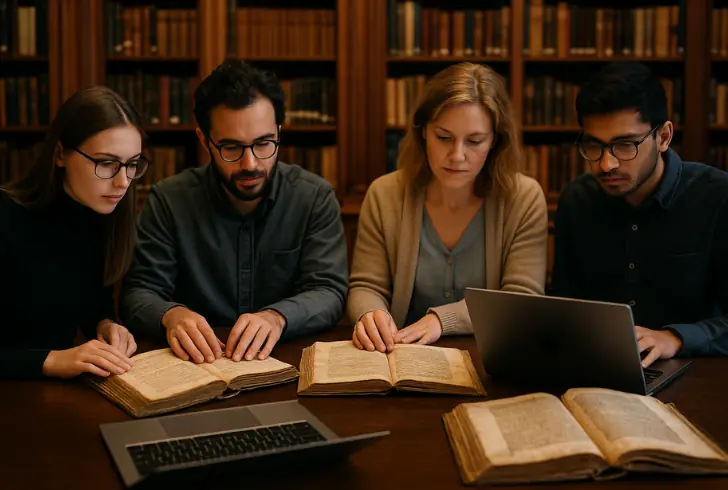
The research team actively expands the CEMLM database by adding new manuscripts and translating and editing texts to increase accessibility. They aim to demonstrate that health practices in early Europe showed more insight and complexity than most modern histories suggest.
Earlier collections mostly highlighted figures like Hippocrates, even though he may not have played a major role during that period. Now that scholars have access to a broader range of original sources, they can finally present a more complete picture of medical life in the early Middle Ages.
Teams from universities in Binghamton, Fordham, Oslo, Utrecht, and St. Andrews collaborate on the online catalog to create a resource that combines historical depth with modern relevance.
Ancient Wisdom Fuels Modern Curiosity
As researchers uncover more forgotten remedies, they continue to blur the line between medieval tradition and modern wellness. Medieval people relied on natural ingredients, DIY health hacks, and curiosity-driven experimentation—just like many do today.
This rediscovery doesn’t glorify the past; instead, it recognizes how people have always evolved health knowledge and passed it down through generations. Now that we can access centuries-old insights, we may discover new paths for wellness practices in the digital age.