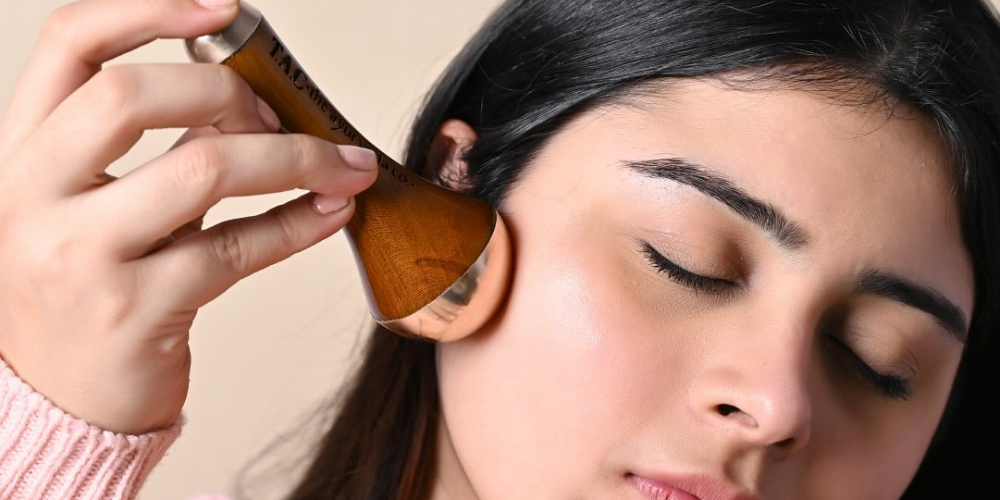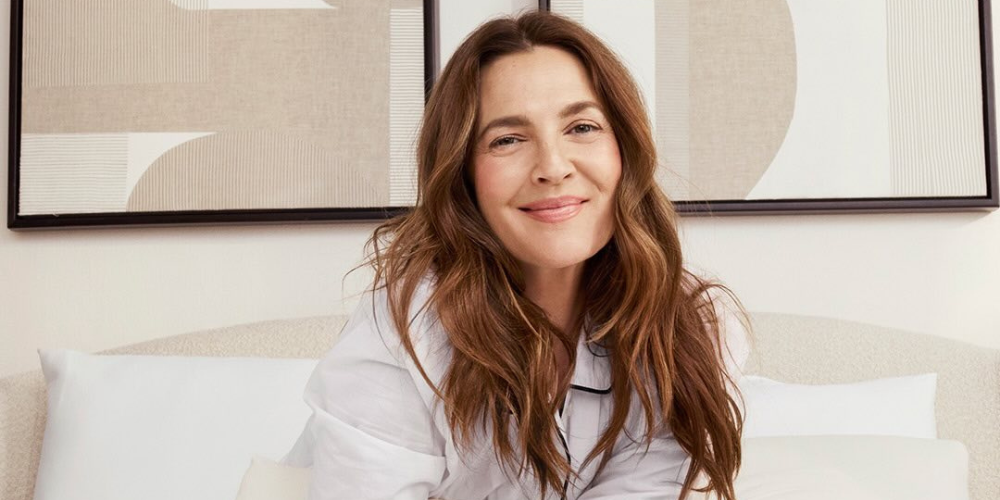
“Wellness” today appears in countless forms — from green juice recipes on Instagram to corporate mindfulness programs and endless rows of supplements at health stores. It is marketed as a lifestyle, a mindset, and sometimes even a cure-all. But while the trend feels distinctly modern, its story stretches back more than a century.
Understanding where wellness came from helps explain why it has grown into a billion-dollar global industry and why its meaning remains so slippery.
What Wellness Really Means
At its core, wellness refers to more than the absence of illness. The word implies striving for an optimal state of physical, mental, and even spiritual balance. Yet its definition varies depending on who is speaking. To some, it’s meditation and whole foods; to others, it’s biohacking, supplements, or cold plunges.
The wide spectrum of interpretations is part of its appeal, but also its weakness. Without a shared understanding, wellness can easily shift into marketing slogans or trends with questionable scientific backing.
The 19th-Century Roots
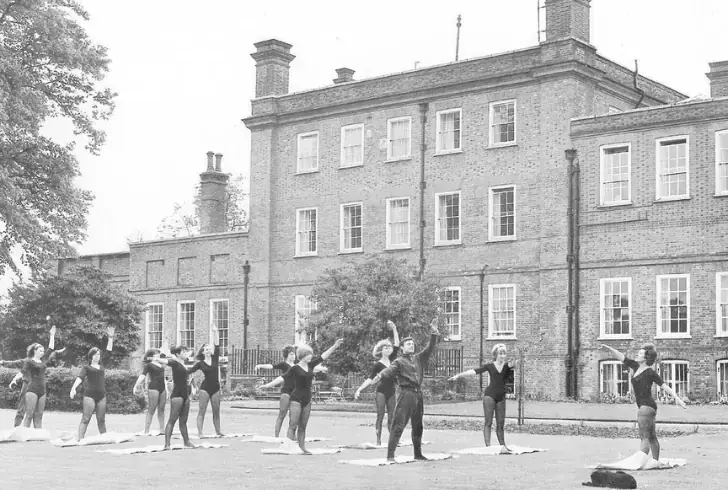
Instagram | @champneysspas | The wellness craze’s earliest roots trace back to the late 1800s.
The wellness craze did not begin with influencers or yoga studios. Its earliest roots can be traced back to the late 1800s. Two figures stand out in shaping early ideas of holistic health:
John Harvey Kellogg – A physician who, along with his brother Will Keith Kellogg, established the Battle Creek Sanitarium. Part hospital, part spa, and part luxury retreat, it attracted wealthy patients eager for new approaches to health.
Kellogg promoted what he called “Biologic Living,” emphasizing strict diets, exercise, and moral discipline. While some ideas — like eating more fruits and vegetables — remain sound, others were rooted in rigid moralism and pseudoscience.
Bernarr MacFadden – A flamboyant fitness promoter considered by many the first true health influencer. He championed fasting, exercise, and natural living but also dismissed vaccines and embraced eccentric practices like walking barefoot through New York to “absorb earth’s energy.”
Both men linked health to personal virtue, a perspective that still echoes through parts of the wellness industry today.
The Rise of Scientific Medicine
While Kellogg and MacFadden were promoting their philosophies, modern medicine was undergoing its own revolution. The 1910 Flexner Report pushed medical schools in the United States and Canada to adopt stricter scientific standards. This reform eliminated many unregulated practices but also left gaps in patient care, particularly for those who sought more personalized attention.
Wellness culture often stepped into that gap, offering people a sense of being heard and cared for, even if the treatments themselves were not always scientifically supported. This tension between evidence-based medicine and alternative wellness practices continues to this day.
The Birth of the Term “Wellness”
The actual word “wellness,” in the way it is used today, entered the conversation in 1959 when biostatistician Halbert Dunn introduced the concept of “high-level wellness.” He argued that health was not simply the absence of disease but the pursuit of optimal functioning within one’s environment.
While Dunn’s definition was thoughtful, it quickly expanded beyond his intentions. Over time, wellness came to include nearly anything tied to self-improvement or lifestyle choices, from yoga retreats to detox teas.
Why Wellness Took Off

Freepik | Wellness today blends digital apps and trendy drinks to shape a lifestyle that feels both modern and personal.
Several factors explain why wellness gained momentum and never slowed down:
1. Personal Control – Wellness offers individuals a sense of agency over their health, beyond what doctors prescribe.
2. Accessibility – From food choices to exercise routines, wellness can be woven into daily life.
3. Marketing Power – The open-ended nature of the word allows brands, influencers, and companies to define it however they like.
This flexibility made wellness a cultural phenomenon, though it also opened the door to misinformation and overpromising.
The Complicated Legacy
Wellness continues to thrive because it combines genuine elements of healthy living with aspirational lifestyle branding. Eating vegetables, sleeping well, and staying active are undeniably beneficial. The problems arise when wellness is framed as a cure-all or when pseudoscience is presented as fact.
Health is never just about willpower. Genetics, environment, and broader social realities shape outcomes just as much as individual choices. When wellness narratives ignore these dimensions, they risk unfairly shifting responsibility onto people for circumstances outside their reach.
The Future of Wellness
Far from disappearing, wellness continues to expand as a cultural touchstone. The real task is learning to tell the difference between practices that truly help and those that simply market hope.
Curiosity and skepticism both matter. Ask questions, look for evidence, and keep in mind that extremes rarely deliver balance. Since its earliest days, wellness has evolved alongside cultural shifts and changing health concerns. Recognizing that history makes it easier to see today’s industry as a mix of meaningful habits and commercial packaging.