
Bad breath can even happen to the best and most hygienic ones among us. Occasional bad breath can be attributed to brushing your teeth the wrong way or the onions stuffed in your lunch burger but what do you do if the problem persists?
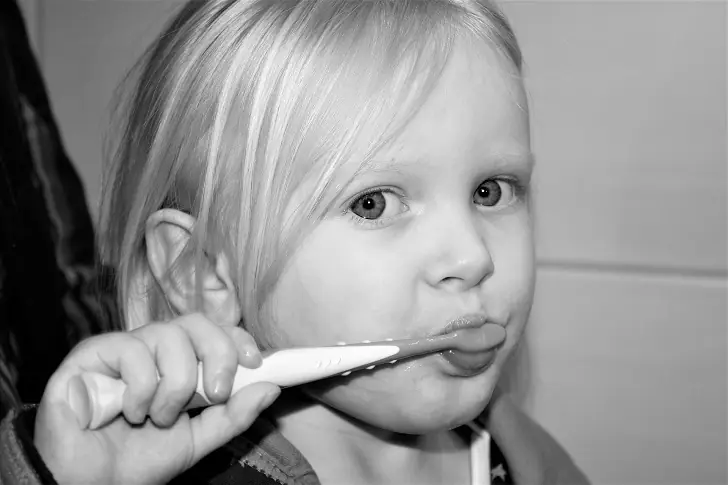
Children often have bad breath, and sometimes the problem persists even after rigorous brushing and immaculate oral health. This often signals towards an underlying cause and could be due to gastrointestinal issues.

Do I smell?
Bad breath is a common ailment. Medically called halitosis, bad breath can be caused by a variety of factors, with not brushing your teeth properly being the least worrisome of them.
Children are often negligent of their personal hygiene and must be constantly reminded to floss and brush their teeth regularly. If you know a child suffering from bad breath, gently let them know since more often than not, they are not even aware that their breath stinks and why.
Politely offer a mint or a chewing gum to the person with the bad breath, and that should give them a whiff of the issue at hand. If the child is too young to understand polite gestures, advise them with kindness and inform their parents about it.

What are the reasons behind bad breath?
The most common culprit for bad breath is the food and drinks we consume. Onions, garlic, cheese, eggs, juice, and soda are some of the top smelliest foods which will most likely disturb those around you.
The second most common reason behind halitosis or bad breath is poor hygiene practices. If you do not brush your teeth for an adequate amount of time, are too skimpy with your toothpaste or do not follow the general brushing techniques and guidelines, your breath might give it away. So regular flossing and brushing your teeth can keep the stinky breath away.
What to do if you have smelly breath?
It goes without saying that consuming tobacco, alcohol or smoking is a definite no-no for people with bad breath. Not only does it exacerbate the bad breath situation, but it can also increase the underlying medical issues which are causing the condition in the first place.
A visit to the dentist should be your next step in tackling bad breath issues. After a thorough examination and dental procedures, the dentist should be able to identify the root cause. If the problem still persists, then the issue runs deeper and your dentist will guide you about which medical health practitioner to visit next. Some common causes of halitosis are diabetes, gastrointestinal issues, or sinus problems.