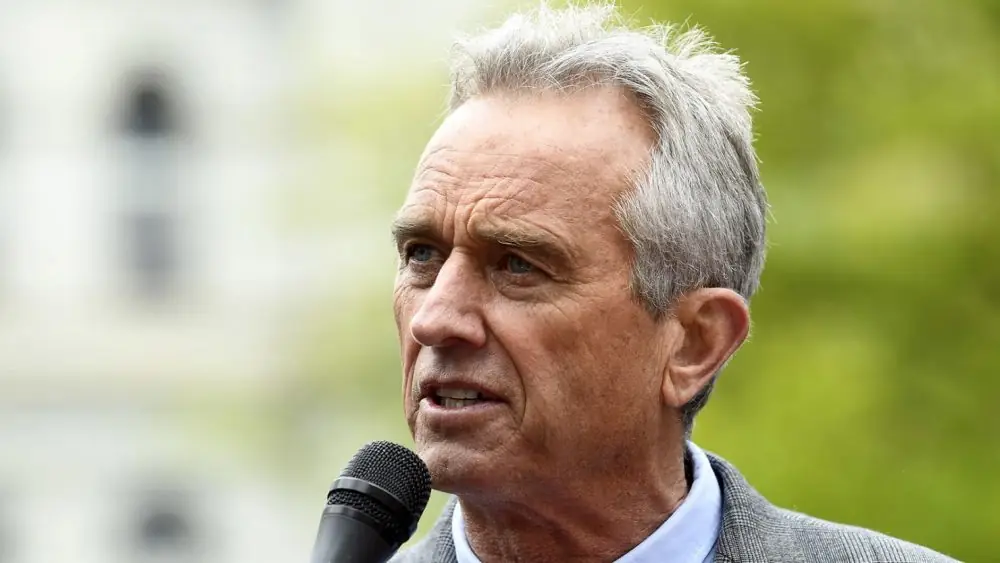
Robert F. Kennedy Jr. is making it clear. He thinks health care is not a right. During his Senate hearing, he stuck to a controversial stance: people should be held accountable for their own health. His argument? Chronic diseases result from personal choices, and those who don’t take care of themselves shouldn’t expect the government to foot the bill.
It is a stunning position for someone who claims to be an advocate for public health. However, Kennedy is not interested in solutions that involve real medical care. He frames his approach as “prevention,” but what he really means is blame.
He wants people with illnesses like diabetes, asthma, and even depression to take the fall for their conditions. That is not just bad policy. It is dangerous.
RFK Jr. Has a Longtime War on Public Health
Kennedy has spent years pushing anti-vaccine rhetoric, and his Senate hearing proved he is not backing down. He paints himself as a champion of wellness, talking about how people need to take better care of themselves. But his version of prevention is nothing more than an excuse to deny care to those who need it most.
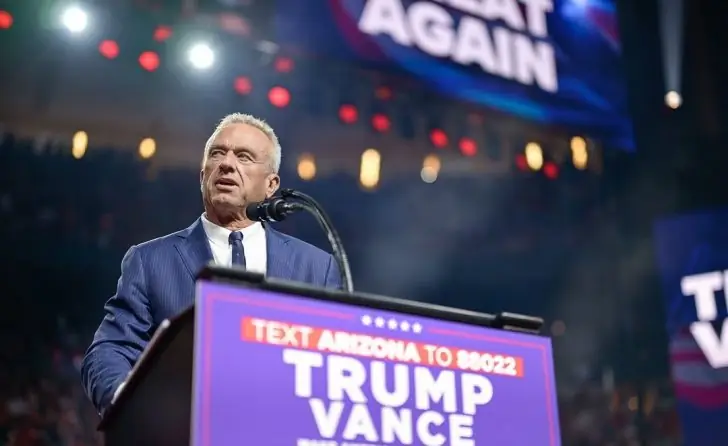
Kennedy’s insistence that chronic diseases stem from poor lifestyle choices gives conservatives a convenient excuse to gut Medicare and Medicaid. If people make themselves sick, why should the government step in? That is the twisted logic he is pushing.
RFK Jr. Blames the Sick to Justify Cuts
Kennedy takes special aim at chronic disease, a broad term that includes conditions like ADHD, Alzheimer’s, and autoimmune disorders. He suggests these illnesses are not just genetic or environmental but are the result of bad decisions.
The message? If you are sick, it is your own fault.
This argument is not new, though. Republicans have long sought ways to shift blame onto individuals instead of fixing a broken system. But Kennedy takes it further. He says that people on food assistance programs should be restricted from buying certain foods.
The idea is that by controlling their diets, they will stop getting sick. This is a neat way to shift responsibility away from policy failures and onto everyday Americans.
‘Food Control’ Disguised as Health Reform
Kennedy suggests that cutting people off from processed foods will make them healthier. But here is the catch. People already know that fresh food is better than junk food. The real problem is access. Restricting food assistance won’t improve health, but it will make life harder for struggling families.
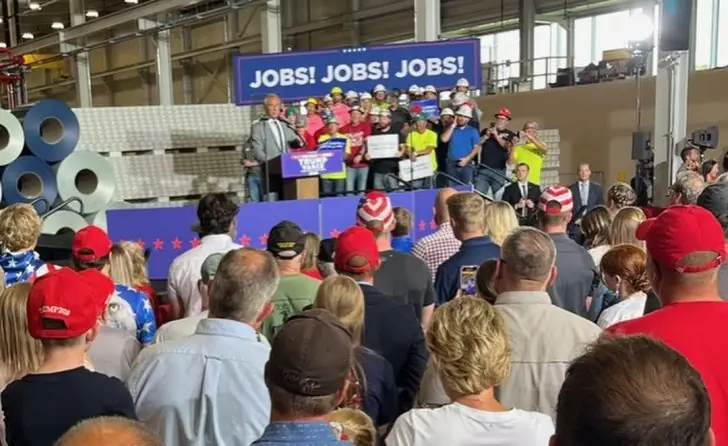
Instead of addressing the real issues – poverty, food deserts, lack of education – Kennedy doubles down on punishment. He claims that forcing people to make “better choices” will solve the healthcare crisis. In reality, it just creates another hurdle for low-income Americans while leaving the root problems untouched.
If Kennedy believes poor lifestyle choices disqualify someone from care, where does it stop? Should people with genetic conditions be blamed for their DNA? Should people with depression be told they should have “thought more positively” before seeking help?
RFK Jr.’s Real Goal Is Shrinking the Safety Net
Kennedy is not just proposing a shift in healthcare philosophy; he is laying the groundwork for cuts. If he gets his way, millions of Americans could lose access to basic medical care simply because they don’t meet his standards of “health.” His rhetoric plays into a cruel narrative: that only the fit and responsible deserve help.
However, this is about more than policy. It is about ideology. Kennedy is embracing a survival-of-the-fittest mentality that punishes the vulnerable. His words may sound like common sense at first, but they mask an extreme agenda that could strip essential services from millions.