Meditation is often seen as the ultimate stress-buster. It promises peace, clarity, and emotional balance. With mindfulness apps, guided sessions, and glowing testimonials everywhere, it seems like a no-brainer for anyone looking to improve their well-being.
But what if meditation is not always the magical fix it is made out to be? A growing body of research suggests that, for some, meditation can trigger anxiety, depression, and even severe psychological distress. A 2022 study found that more than 10% of regular meditators experienced lasting negative effects, sometimes for months. These findings challenge the idea that meditation is always harmless.
Ancient Warnings About the Dark Side of Meditation
The belief that meditation is always beneficial is not new. It has been around for centuries. But so have warnings about its risks. The first recorded evidence of meditation’s adverse effects dates back over 1,500 years. The Dharmatrāta Meditation Scripture, an ancient Buddhist text, describes symptoms of anxiety, depression, and even dissociation.
The text details unsettling cognitive effects, including feelings of detachment from reality. Some practitioners reported feeling like the world was not real or experiencing episodes of psychosis. These historical warnings were largely ignored – until modern science started catching up.
Scientific Research Shows the Hidden Risks of Meditation
In the past decade, studies have examined the darker side of meditation. A 2020 review covering 40 years of research found that anxiety and depression were the most common side effects. Some people also experienced paranoia, delusions, and intense fear.

The most surprising part? These negative effects were not limited to those with pre-existing mental health issues. Even people with no history of anxiety or depression reported serious psychological distress after meditating. Some experienced symptoms after just a moderate amount of practice, and for a few, the effects lingered long-term.
Why Aren’t We Talking About This?
With so much evidence, why is meditation still presented as risk-free? One reason is the booming mindfulness industry. Meditation classes, wellness retreats, and mindfulness apps rake in billions of dollars every year. Their marketing focuses on the positives – calm, happiness, focus – not the risks.
Another issue is that many meditation teachers and mindfulness coaches simply don’t know about these side effects. When practitioners report feeling worse, they are often told to “just keep meditating.” Many instructors believe that any discomfort is just part of the process and will pass. But for some, it doesn’t.
The Western World Has Known About This for Decades
The idea that meditation can cause harm isn’t just a recent discovery. In 1976, Arnold Lazarus, a pioneer in cognitive-behavioral therapy, warned that meditation could trigger serious psychiatric issues. He reported cases of depression, agitation, and even psychotic breakdowns in people who meditated without proper guidance.
Despite this, mindfulness has become mainstream without much discussion about its potential risks. Today, meditation is recommended in therapy, schools, and corporate wellness programs. But how often are people warned that it might not be safe for everyone?
What Happens When Meditation Goes Wrong?
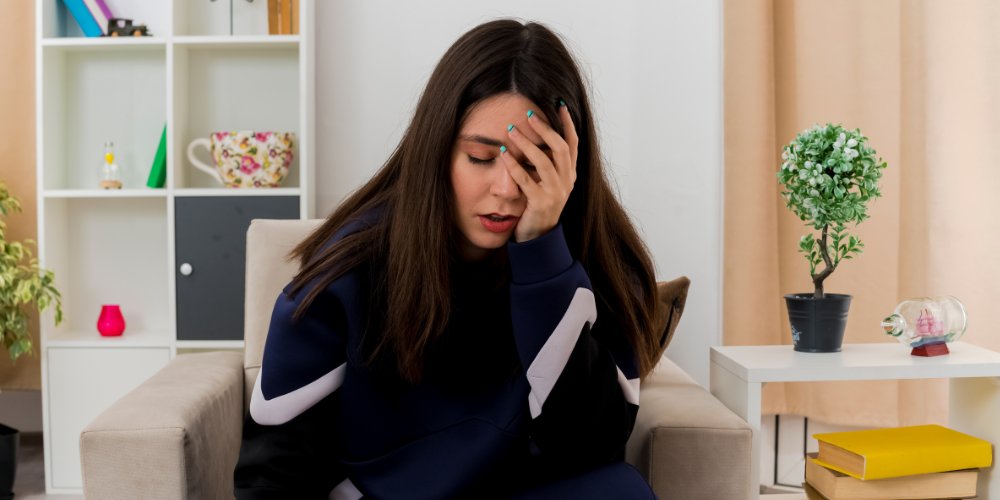
For some, meditation can feel like an escape. A break from stress. But for others, it does the opposite. It amplifies their fears, anxieties, and emotional struggles.

In extreme cases, meditation has triggered psychotic episodes, where people lose touch with reality. These symptoms can last for weeks or even months, disrupting daily life.
Should Meditation Come With a Warning?
Given the risks, should mindfulness apps, meditation classes, and wellness programs include disclaimers? Science suggests they should. If even a small percentage of people experience serious side effects, they deserve to be informed.
However, medical treatments come with warnings. So do supplements, exercise programs, and even diets. Why should meditation be any different? People deserve the full picture before diving into a practice that might not be safe for everyone.